Each spring, around April, Havørred Fyn releases more than 350,000 sea trout smolts. These releases help support sustainable sea trout fishing, based on estimates of the trout population Fyn could sustain if all waterways were in optimal condition. At the same time, extensive restoration work is carried out in rivers and streams to reduce the need for stocking over time, with the long-term goal of strong, self-sustaining sea trout populations independent of human intervention.
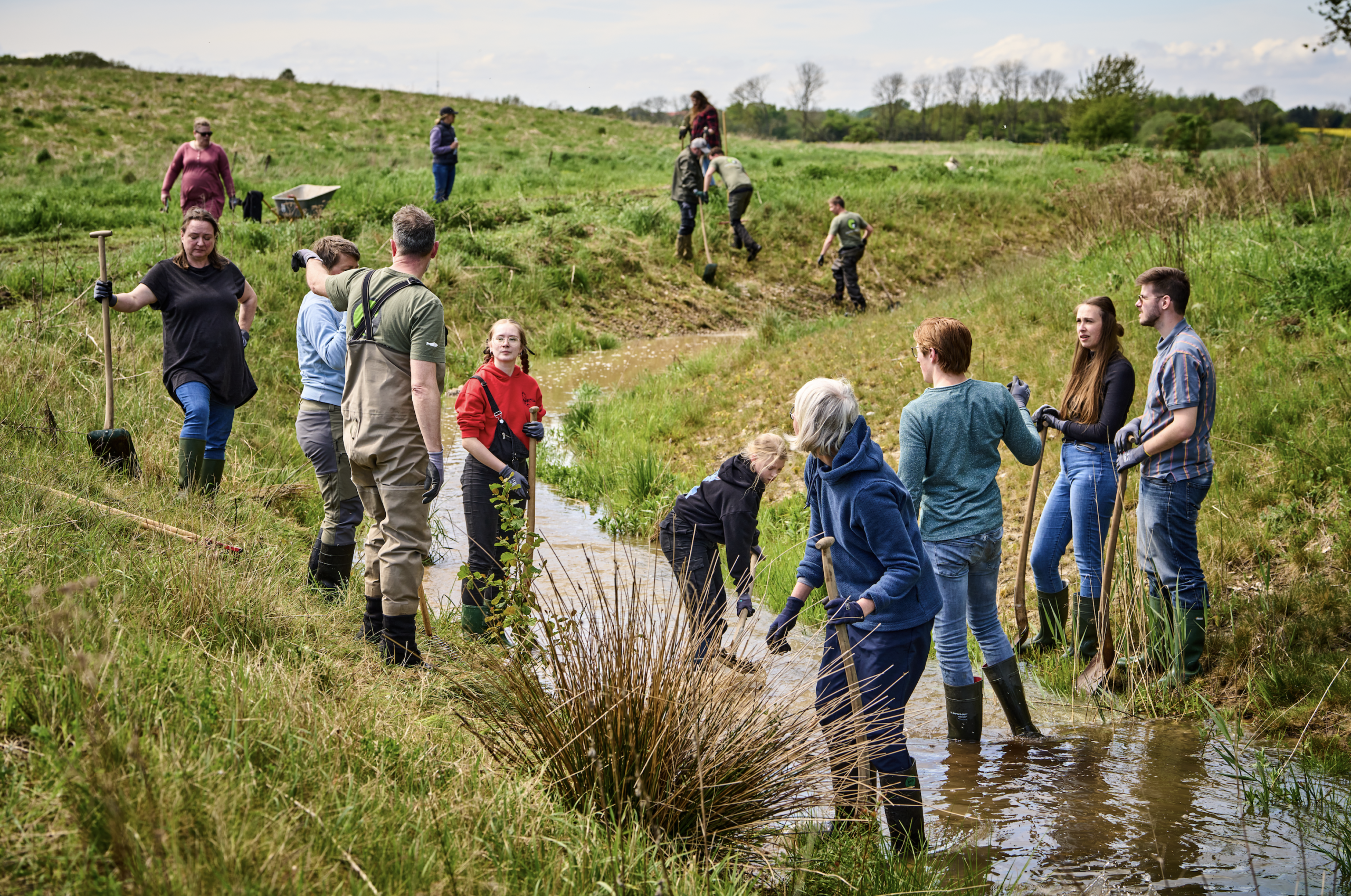
HAVØRRED FYN
Havørred Fyn (Sea Trout Funen) emerged as a response to decades of pressure on sea trout habitats on Fyn and the surrounding islands. Barriers, channelised streams, and the loss of spawning and nursery areas had led to a significant decline in the population. Through long-term, targeted collaboration between municipalities, biologists, volunteers, and landowners, Sea Trout Fyn was established with one clear goal: to restore healthy streams and give the sea trout the opportunity to thrive under natural conditions.
Tourism Based on Active Nature Conservation
The original idea behind the Havørred Fyn project was to develop sea trout angling tourism on Fyn and the surrounding islands by making nature conservation the starting point rather than the end goal. The project was built on the conviction that healthy ecosystems are the foundation of attractive and sustainable fishing experiences. Through extensive stream restoration, removal of barriers, improvement of spawning and nursery habitats, and the targeted release of smolt, the aim was to rebuild self-sustaining sea trout populations.
The underlying logic was that well-functioning streams and watercourses would lead to stronger sea trout stocks and better fishing opportunities along the coast. High-quality angling experiences attract visiting anglers, and sound fishing tourism creates measurable economic value for local communities. This economic return, in turn, provides a strong and tangible incentive to reinvest in further restoration efforts, ensuring continued improvements to streams and watercourses. In this way, Havørred Fyn was designed to create a long-term, self-reinforcing relationship between healthy nature, high-quality fishing, and sustainable economic development.
Our History
It all began for Havørred Fyn back in 1990. The former Fyn County undertook a range of initiatives aimed at promoting business on Fyn. The idea was to create more jobs, especially on the smaller islands. One of the initiatives was Havørredeldorado Fyns Amt [Sea Trout El Dorado, Fyn County]. In the 1990s, the watercourses on Fyn were by no means something to brag about. Blockages from water mills and meadow irrigation systems had become a ‘natural’ occurrence, and there was no shortage of piped sections and drops. Moreover, water was often underapreciated and sewage discharge directly into our watercourses had unfortunately become par for the course. Back then, most anglers fished for cod, flatfish and garfish. Finding a sea trout was a special but seldom occurrence. And so Fyn County saw an opportunity to kill two birds with one stone through their El Dorado project. The project has since changed its name to the much simpler Havørred Fyn that we know today, bringing all ten municipalities on Fyn together to make a unified and concerted green effort across administrative boundaries.
A Top-Class Fishing Destination
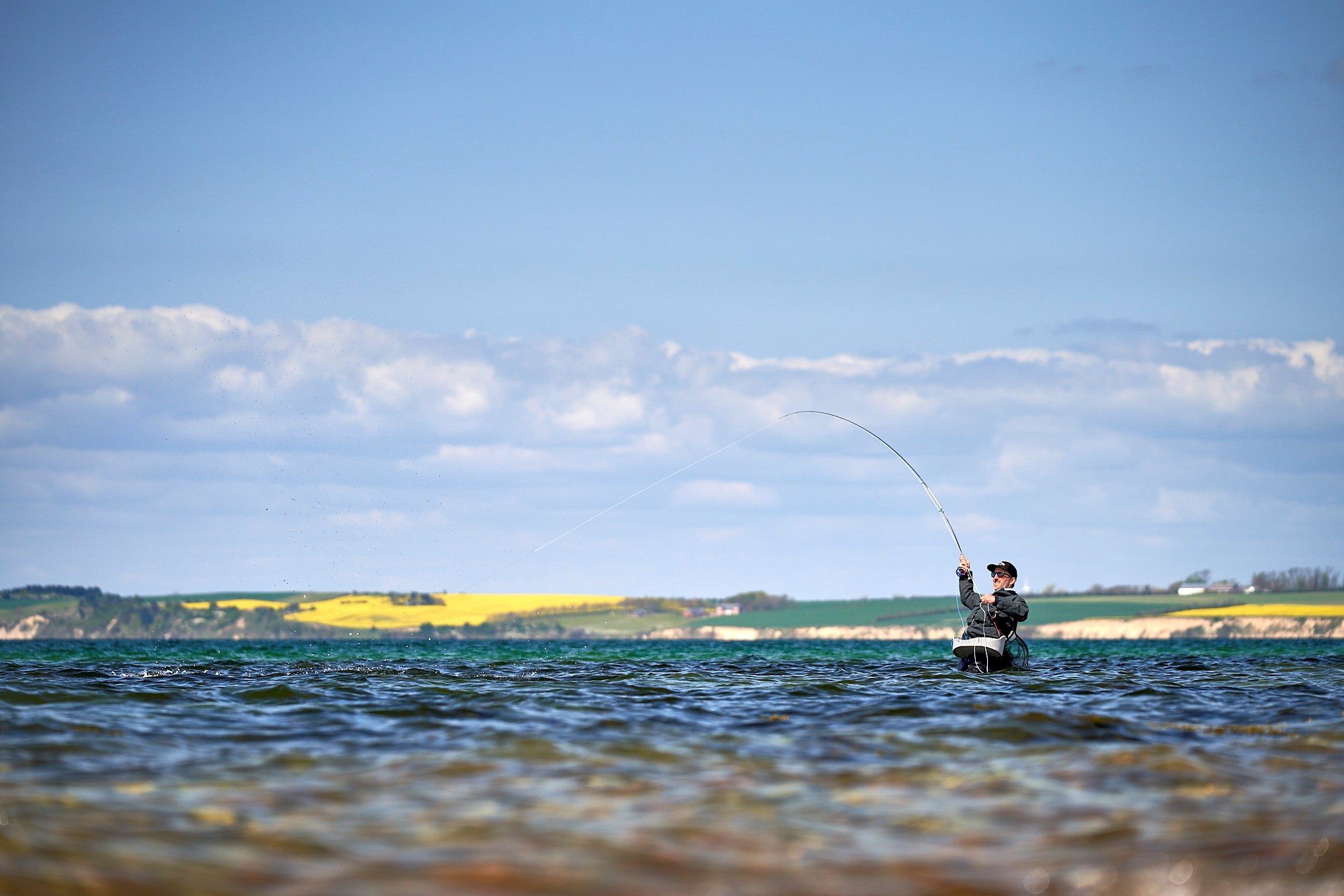
Today, more than thirty years later, those early ambitions of the project have succeeded beyond all expectations. Fish living conditions have improved considerable in many of our watercourses. This was the result of a huge effort to remove the blockages that prevented sea trout from reaching their spawning grounds, and of laying out spawning gravel and hiding stones in places where the water had removed them over time. Alongside the release of hundreds of thousands of smolt each year, this huge effort has helped to make Fyn, Langeland and Ærø into top-class fishing destinations. Angling along the coasts of Fyn is something that experts are discussing and writing about both locally and internationally, and not without good reason. The Havørred Fyn model has spread and that is fantastic.
Objectives and Background
The Sea Trout Fyn Project was established to protect and strengthen the wild sea trout population on Fyn and the surrounding islands. The initiative grew out of a close collaboration between local authorities, scientists, conservation organisations and anglers, all sharing a common concern.
During the 1980s and 1990s, the number of sea trout returning to spawn in Fyn’s streams declined dramatically. Habitat degradation, barriers in watercourses and poor water quality had a severe impact on natural reproduction. The project was created as a long-term response to this decline, with the clear objective of restoring healthy, self-sustaining sea trout populations.
Methods and Measures
To achieve these goals, the Sea Trout Fyn Project works with a broad range of coordinated actions:
Habitat restoration
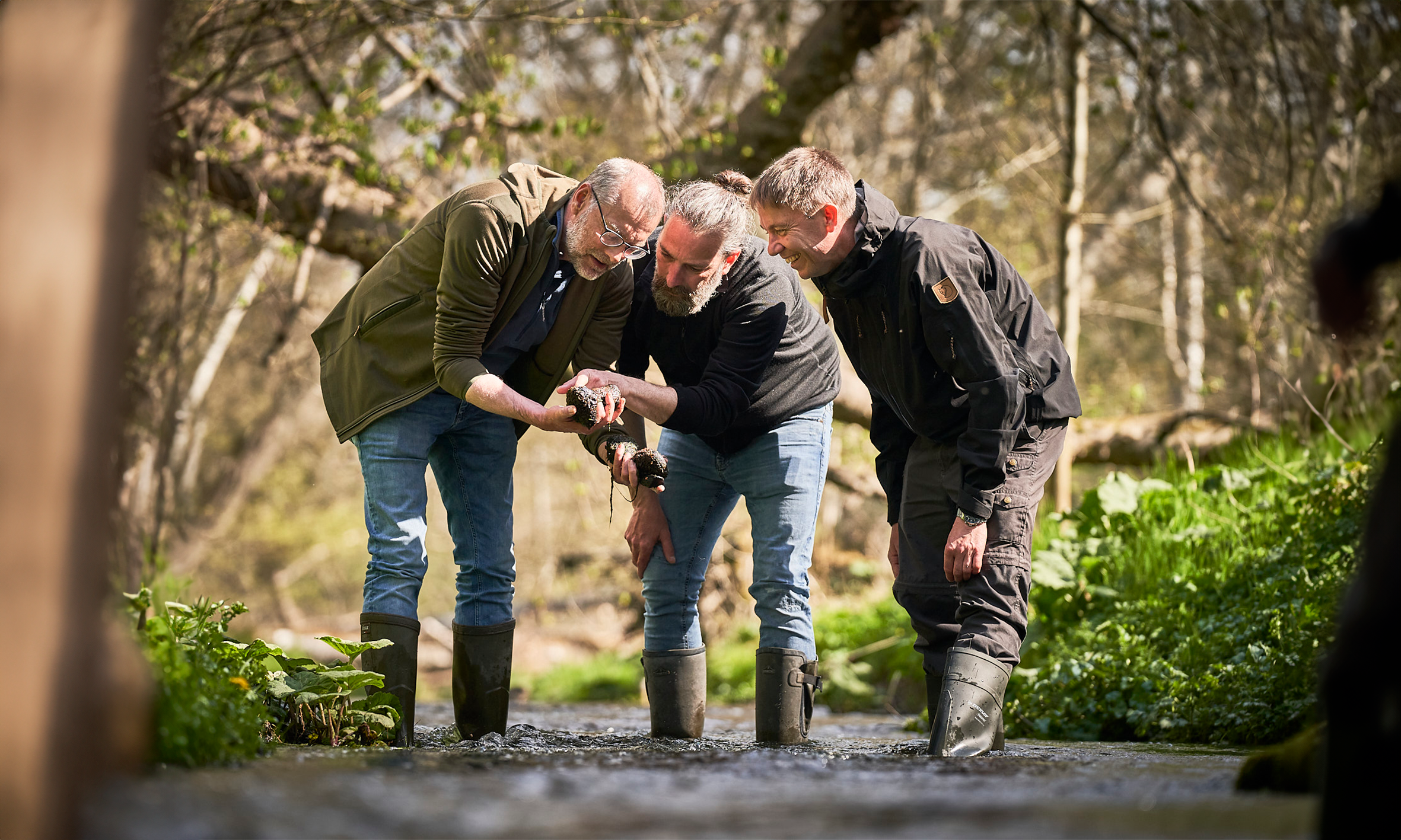
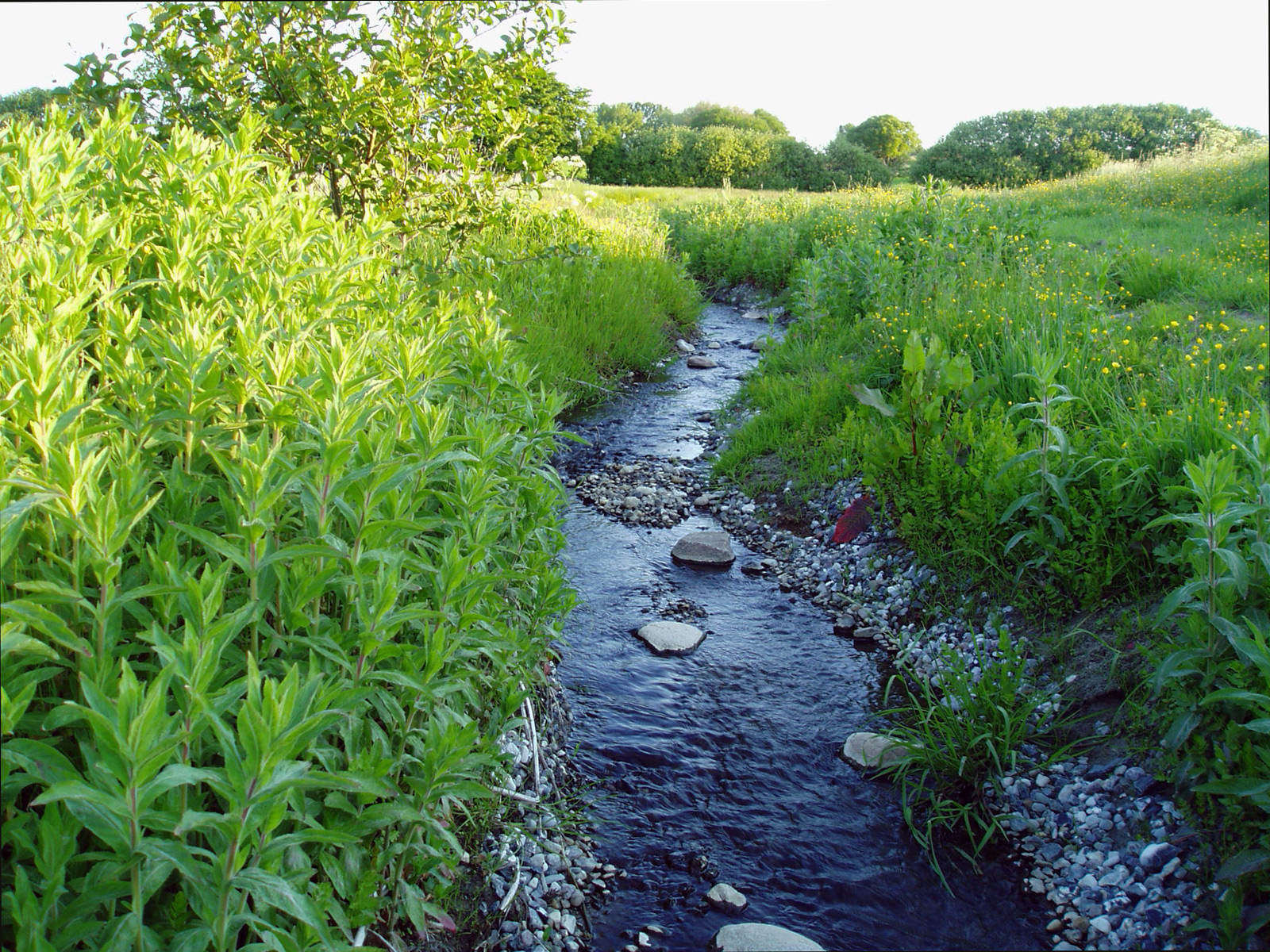
A core focus has been the restoration of natural habitats in streams, brooks and coastal areas. This includes reopening blocked watercourses, improving spawning and nursery areas, and enhancing water quality and natural stream structure.
Monitoring and research
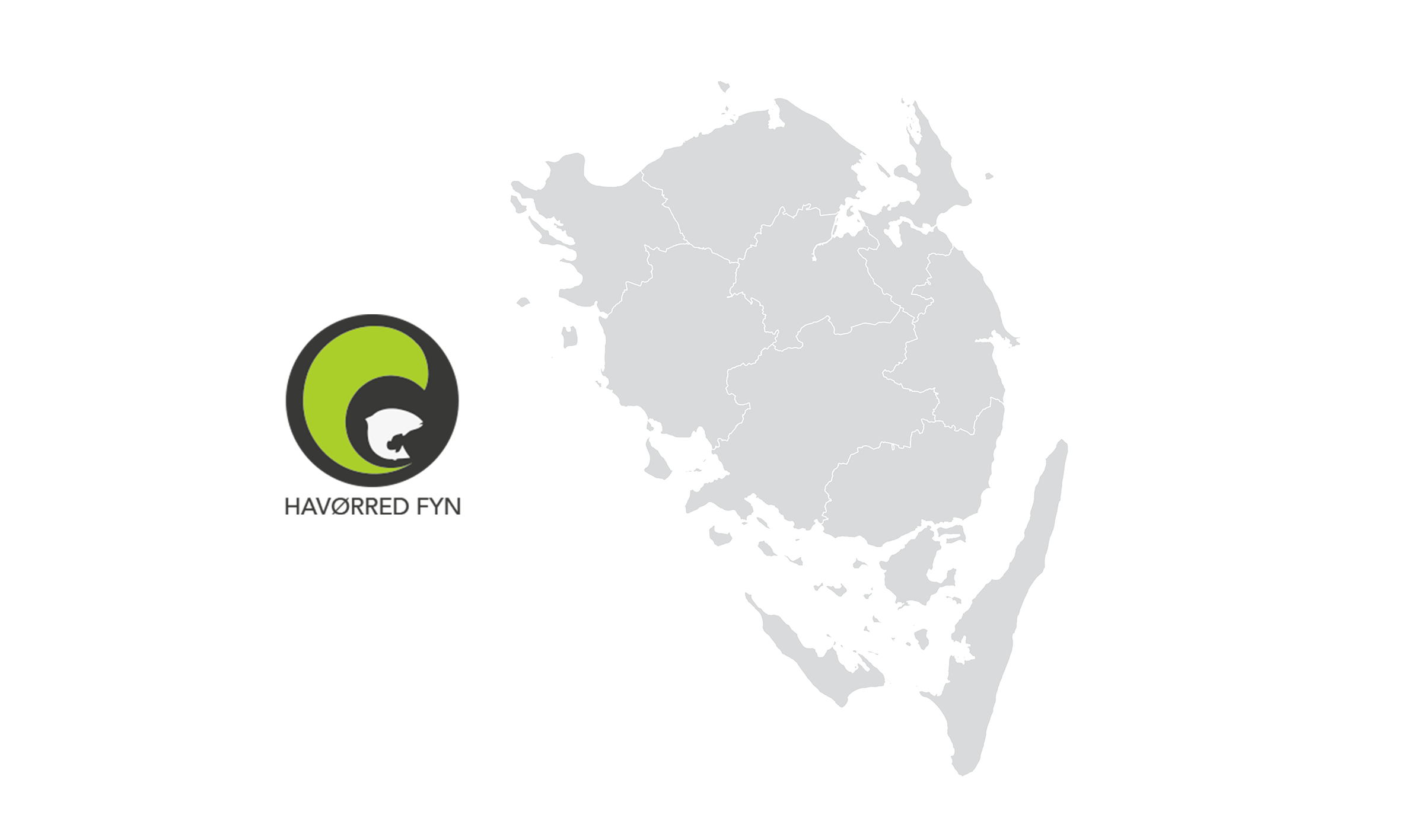
Comprehensive monitoring programmes provide essential knowledge about sea trout populations, migration patterns and spawning success. This scientific foundation ensures that management decisions are based on data and long-term trends.
Awareness and collaboration
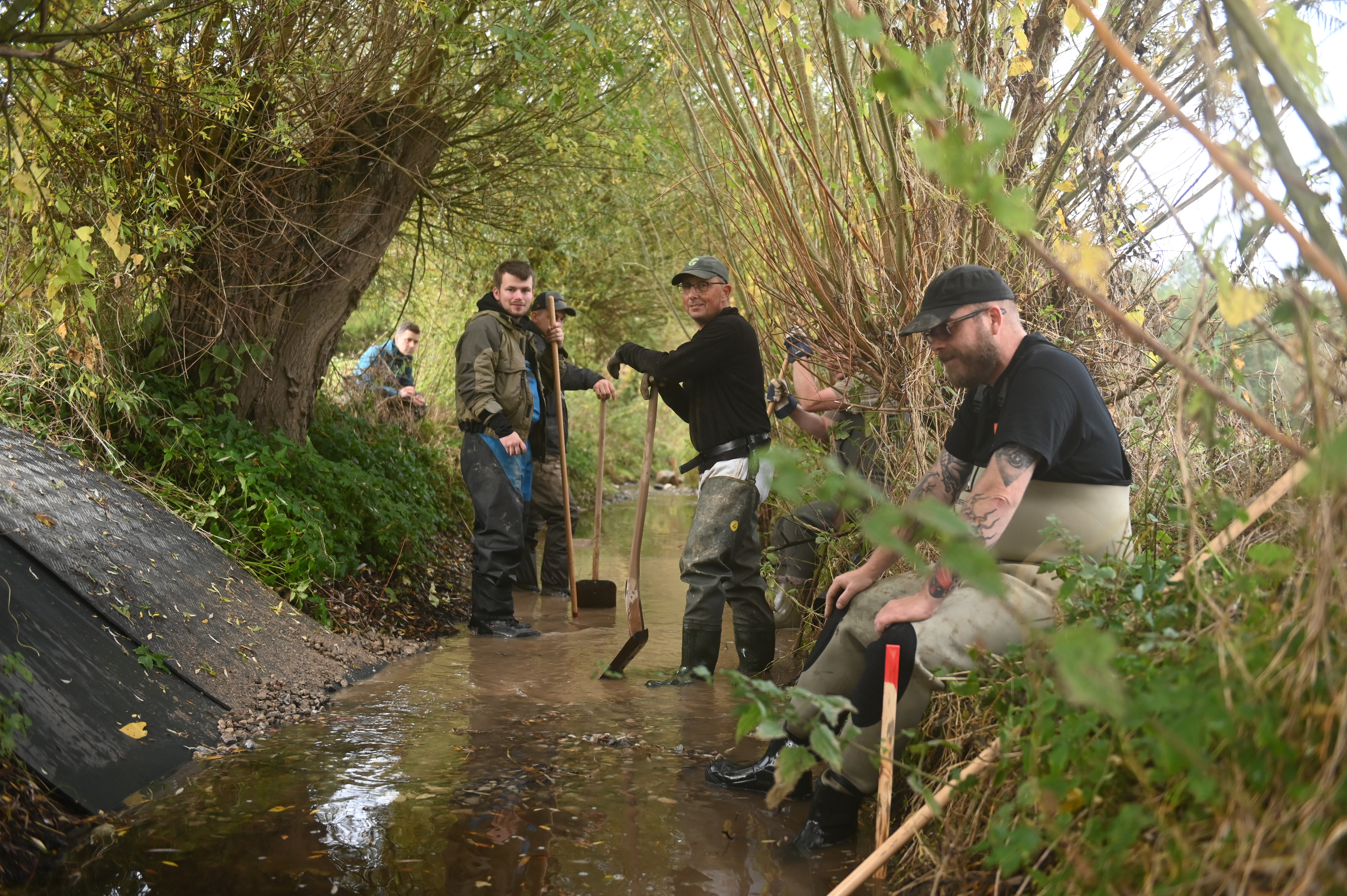
The project places strong emphasis on education and cooperation. Through information campaigns with partners, volunteer involvement and close collaboration with anglers and local communities, conservation efforts are shared and anchored locally.
Results and Future Challenges:
The Sea Trout Funen Project has already achieved significant results in its efforts to conserve and restore the sea trout population in Funen. Through the various measures, an increase in the number of spawning sea trout has been recorded in many Funen streams. Improvements in natural habitats and water quality have also been observed.
While progress has been made, the Sea Trout Funen Project still faces challenges in the future. Climate change and habitat degradation remain threats to the sea trout population. Therefore, it is crucial to sustain efforts and implement long-term strategies to ensure a sustainable population.
Sea Trout Fyn is Havørred Fyn
The Sea Trout Fyn Project has proven to be a valuable endeavor in conserving and restoring the sea trout population in Fyn. Through a combination of habitat restoration, monitoring and research, and awareness and collaboration, the project has succeeded in increasing the number of spawning sea trout and improving the ecosystem in waters of Fyn.
The Sea Trout Fyn Project serves as an example of how collaboration between stakeholders and local communities can contribute to the conservation of endangered species and the sustainable management of our natural resources. Continued focus and dedication will be essential to ensure the ongoing prosperity of Sea Trout in Fyn in the future.
The Sea Trout Fyn Project is funded by the municipalities. Actually, the project is one of the oldest cross-municipality collaboration projects in Denmark. Each year, each municipality on Fyn, Langeland and Ærø contributes to the project, on a sum that is based on the current population of the municipality. This sets no limits for water restorations, and each municipality can get trout-improving projects funded by up to 80% by the Sea Trout Fyn Project. In our world, no municipality is richer than others when it comes to sea trout improving initiatives.